
Patient data protection central to trust in AI-driven health insurance pundits
Protecting patient data is essential to pblic trust in digital health insurance, experts stressed, calling for legal safeguards to keep pace with advances in medical technology.
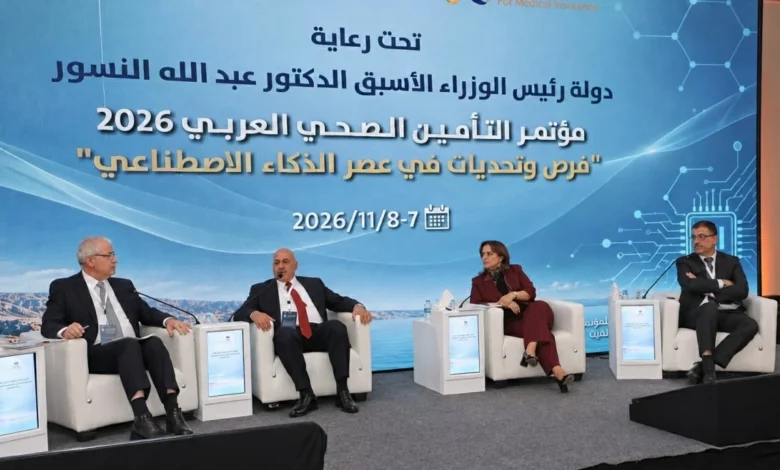
The issue was discussed during a panel featuring medical liability specialist Naser Abu Rumman at the Arab Health Insurance Conference 2026, along with Lara Haddadin, CEO of Electronic Health Solutions International (EHSI), and Firas Hanandeh, president of Ajloun National University. The session was moderated by Hmeid Al Batayneh, president of the Jordan Policy Dialogue Forum. Panelists examined the legal and technical protection of personal data and its implications for health insurance.
The conference was held on November 7–8 at the King Hussein Bin Talal Convention Centre at the Dead Sea.
Abu Rumman, a lawyer specialising in medical liability, represented West Asia for Medical Liability Consultancy. Conference literature identified patient privacy and responsibility for the use of AI in healthcare as central questions underpinning his contribution.
The panel considered how legal frameworks could respond to rapidly evolving technical solutions, as healthcare providers and insurers increasingly rely on digital information. Speakers linked the protection of medical records to confidence in the relationship between patients, hospitals and insurance companies.
Participants examined the overlapping legal and technical challenges of safeguarding health information as the sector expands its use of intelligent systems.
Jointly organised by the Jordan Insurance Federation and the Jordan Association for Health Insurance, the conference drew more than 220 participants and 20 speakers from six Arab countries, according to organisers. It addressed the opportunities and challenges presented by AI through discussions on digital transformation, cybersecurity, patient care and financial sustainability.
Opening the conference, former prime minister Abdullah Ensour stressed that adopting technology required clear privacy safeguards, trained personnel and continued human oversight, the Jordan News Agency, Petra, reported.
Jordan Association for Health Insurance board member Mueen Habashneh, who deputized for the association’s chairperson,Natheer Al-Bateh, highlighted applications across the patient journey, from prevention and diagnosis to treatment and follow-up. He also announced the association’s new visual identity, according to Petra.
Other sessions examined the practical demands of digital transformation. A discussion chaired by GIG–Jordan CEO Ali Wazani brought together specialists in cybersecurity, AI and data science to address health information governance. A separate panel, chaired by Solidarity–First Insurance CEO Alaa Abdeljawad, explored AI’s role in developing insurance services and improving beneficiaries’ experience, according to federation updates.
On the second day, insurance expert Maher Awwad moderated a session on actuarial studies, AI and health insurance sustainability.
Speaker Samer Jaabari examined AI’s potential to detect fraud, automate approvals and claims, and reduce waste, alongside its costs and risks. Actuarial specialist Yazan Daho stressed the importance of reliable data and professional scrutiny of model results, according to Al Balad News’ account of the discussion.
Providing market context, Jordan Insurance Federation CEO Moayad Kloub said medical insurance premiums reached approximately JD168 million during the first five months of 2026, representing nearly 40 per cent of total market premiums and growth of around 17 per cent. Paid claims amounted to approximately JD97 million, Petra reported.
Kloub said AI could help improve risk pricing and claims processing, while stressing compliance with Jordan’s Personal Data Protection Law. He also expressed the sector’s readiness to contribute to the government’s comprehensive health insurance project, emphasising the need for actuarial studies and accurate data to support its sustainability